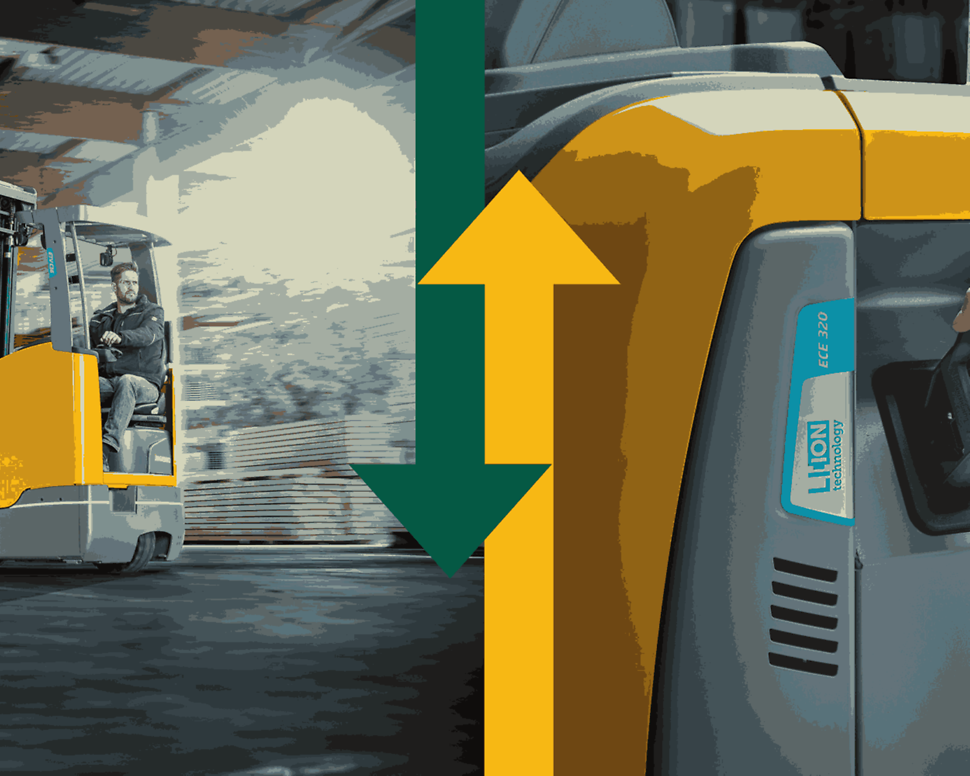
5 Practical Ways to Reduce Energy Consumption
Small changes can make a big difference in warehouse energy use. Discover 5 practical ways to reduce energy costs while maintaining productivity.
Reading time: approx. 8 minutes
Energy costs are one of the largest operating expenses in modern warehouses. As businesses face increasing pressure to improve efficiency and sustainability, reducing warehouse energy consumption has become a priority for logistics managers, warehouse operators, and supply chain leaders.
The good news?
Reducing energy usage doesn't always require a major facility upgrade. Small operational improvements and smarter equipment choices can significantly lower electricity consumption while maintaining productivity.
Here's how warehouse operators can start reducing energy costs today.
Why Energy Efficiency Matters in Warehousing
Warehouses operate for long hours and rely on multiple systems including:
✅ Material handling equipment
✅ Lighting
✅ HVAC systems
✅ Charging stations
✅ Automated warehouse technologies
Even small inefficiencies across these systems can lead to substantial energy waste over time.
- Beyond cost savings, improving warehouse energy efficiency can help businesses:
- Reduce carbon emissions
- Support sustainability goals
- Extend equipment lifespan
- Improve operational reliability
- Future-proof warehouse operations
As energy prices continue to fluctuate, energy-efficient warehouses are becoming more competitive and resilient.
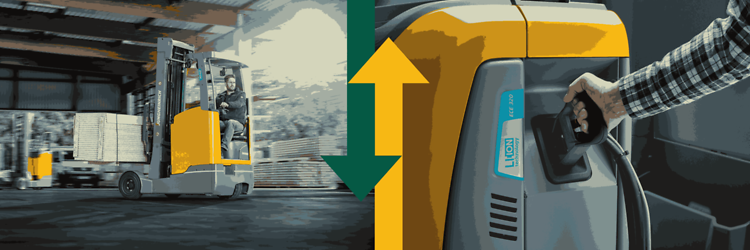
1. Switch to Energy-Efficient Electric Forklifts
Material handling equipment is often one of the largest contributors to warehouse energy consumption. While many businesses focus on lighting or air conditioning when looking for energy savings, forklifts operate throughout the day and can have a significant impact on overall energy usage.
Older internal combustion (IC) forklifts and ageing electric trucks generally consume more energy and require more maintenance than modern electric alternatives. In addition, IC forklifts produce emissions and often incur higher fuel and servicing costs over their lifespan.
Today's electric forklifts are equipped with advanced energy management systems designed to optimise battery usage, recover energy during braking, and minimise unnecessary power consumption. Modern lithium-ion-powered forklifts can also deliver consistent performance throughout the shift while reducing charging downtime.
Benefits include:
✅ Lower operating costs
✅ Reduced maintenance requirements
✅ Zero local emissions during operation
✅ Better energy efficiency per operating hour
For businesses looking to reduce warehouse energy consumption, upgrading to energy-efficient electric forklifts is often one of the fastest ways to achieve measurable savings while supporting long-term sustainability goals.
Learn more about Jungheinrich's electric material handling solutions: https://www.jungheinrich.com.my/products/new-forklifts
2. Optimise Battery Charging Practices
Even the most energy-efficient forklift can waste energy if batteries are not managed properly. Poor charging habits can increase electricity consumption, shorten battery lifespan, and lead to unnecessary replacement costs over time.
Some common issues include charging batteries more frequently than necessary, leaving batteries connected after they are fully charged, or operating older batteries that no longer hold charge efficiently. Charging during peak electricity tariff periods can also contribute to higher operating costs.
Modern lithium-ion battery technology offers higher charging efficiency and eliminates many of the maintenance requirements associated with traditional lead-acid batteries. Unlike lead-acid batteries, lithium-ion batteries do not require battery watering and are designed to support flexible charging opportunities without negatively affecting battery life.
Best practices include:
✅ Following recommended charging schedules
✅ Using manufacturer-approved charging equipment
✅ Monitoring battery health and performance regularly
✅ Upgrading ageing battery systems when appropriate
A well-managed battery fleet not only reduces energy waste but also helps maximise equipment uptime and improve overall warehouse productivity.
3. Upgrade Warehouse Lighting Systems
Lighting is essential for safe and efficient warehouse operations, but it can also account for a significant portion of a facility's electricity consumption, especially in large warehouses operating multiple shifts.
Many older facilities still rely on conventional fluorescent or metal halide lighting systems that consume more energy and require frequent maintenance. Upgrading to LED lighting is one of the easiest and most cost-effective ways to improve energy efficiency.
LED technology uses significantly less electricity while providing brighter and more consistent illumination across warehouse aisles, storage areas, and loading bays. Improved visibility can also contribute to safer operations and better productivity by helping operators work more accurately and efficiently.
Additional savings can be achieved through smart lighting solutions such as:
- Motion sensors that activate lights only when areas are occupied
- Smart lighting controls that adjust brightness based on usage
- Daylight harvesting systems that utilise natural sunlight
- Zoned lighting strategies that focus illumination where needed
Together, these measures can substantially reduce unnecessary energy consumption without compromising operational performance.
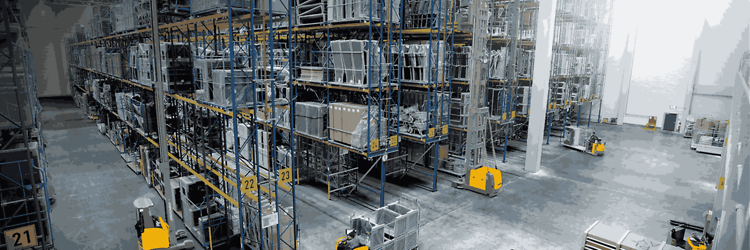
4. Improve Warehouse Layout and Travel Efficiency
Reducing energy consumption is not always about investing in new equipment. In many cases, improving warehouse layout and workflow design can deliver meaningful savings with relatively minimal investment.
Poorly organised warehouses often force forklifts and operators to travel longer distances than necessary to retrieve, replenish, or transport inventory. Over time, these unnecessary journeys increase energy usage, equipment wear, and labour costs.
Conducting a review of warehouse traffic flow can help identify opportunities to eliminate inefficiencies and streamline operations. For example, fast-moving inventory can be positioned closer to dispatch areas, while frequently used items can be stored in easily accessible locations.
For businesses planning a new warehouse or redesigning an existing facility, Jungheinrich can support the process from the early planning stages. With our expertise in warehouse and material flow planning, we help businesses develop layouts and workflows that optimise travel routes, storage efficiency and the overall flow of goods.
Simple improvements may include:
✅ Repositioning fast-moving inventory closer to operational zones
✅ Creating dedicated travel routes for forklifts
✅ Reducing empty travel distances
✅ Optimising storage layouts for faster picking
When forklifts spend less time travelling and waiting, they consume less energy while helping operators complete tasks more efficiently.
5. Adopt Energy-Efficient Warehouse Automation
Warehouse automation is often associated with productivity improvements, but it can also play a major role in reducing energy consumption. Modern automation technologies are designed to maximise operational efficiency while ensuring resources are used more effectively.
For example, automated systems can optimise travel routes, minimise unnecessary equipment movement, and ensure inventory is stored and retrieved using the most efficient processes possible. Intelligent software can also analyse operational data and recommend adjustments that further reduce energy waste.
Examples include:
✅ Automated storage and retrieval systems (AS/RS)
✅ Smart fleet management solutions
✅ Energy-efficient warehouse management systems
✅ Automated guided vehicles (AGVs)
These technologies help businesses increase throughput while reducing manual handling, optimising equipment utilisation, and making better use of energy resources across the facility.
As warehouse operations become increasingly complex, automation can provide a scalable path towards both greater productivity and improved sustainability.
Energy Efficiency Starts with the Right Strategy
Reducing warehouse energy consumption is rarely achieved through a single initiative.
The greatest results typically come from combining:
- Energy-efficient forklifts
- Smart battery management
- Modern lighting systems
- Optimised warehouse layouts
- Intelligent automation technologies
Together, these improvements can lower operating costs, support sustainability objectives, and improve long-term warehouse performance.
Final Thought
The most effective energy-saving initiatives are often practical improvements that can be implemented today.
Whether it's upgrading to electric forklifts, improving battery charging practices, or optimising warehouse workflows, every step towards greater efficiency can contribute to lower costs and more sustainable operations.
Looking to improve energy efficiency in your warehouse?
Jungheinrich Malaysia helps businesses optimise material handling operations with energy-efficient forklifts, lithium-ion technology, warehouse automation, and smart material handling solutions.
🌐 Website: https://www.jungheinrich.com.my
📩 Contact Us: info@jungheinrich.com.my